How Much Does a Solar System Cost in 2026? Complete Home Solar Pricing Guide
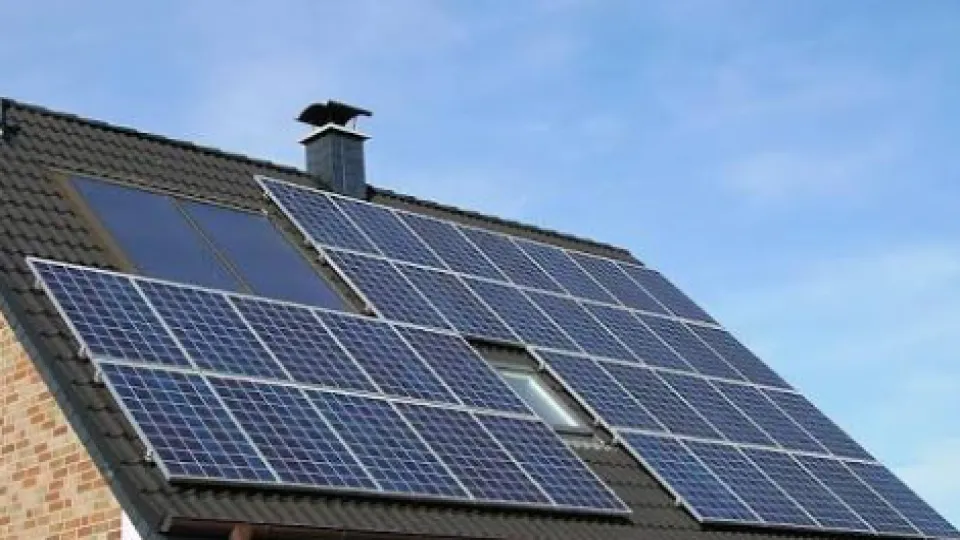
- What Is Included in a Home Solar System?
- Solar Panels
- Solar Inverter
- Mounting and Electrical Equipment
- How Much Does a Solar System Cost in 2026?
- How Much Solar Does a Home Need?
- Estimating System Size From Electricity Usage
- What Factors Increase Solar System Cost?
- Roof Complexity
- Equipment Quality
- Electrical Upgrades
- Battery Storage
- Solar System Cost With Battery Storage
- Example: Calculating a Complete Solar Investment
- Solar Financing Options for Homeowners
- Cash Purchase vs Solar Financing
- Solar Incentives Can Reduce the Effective Cost
- State and Regional Solar Cost Considerations
- United States
- England
- Canada
- Netherlands
- Australia
- Tips for Reducing Home Solar System Costs
- Compare Several Installers
- Compare Complete System Prices
- Calculate Cost Per Watt
- Avoid Oversizing the System
- Review Financing Terms
- Consider Battery Storage Carefully
- How to Determine Whether a Solar System Is Worth It
- Frequently Asked Questions
- How much does a home solar system cost in 2026?
- What is the biggest factor affecting solar system cost?
- Does a solar battery make the system more expensive?
- Is a larger solar system always better?
- How can I compare two solar quotes?
- Is solar cheaper when paid for in cash?
- Conclusion
Choosing a home solar system is a major financial decision. While solar panels can reduce dependence on grid electricity, the initial investment can vary significantly from one household to another.
The total solar system cost depends on the size of the system, equipment quality, roof characteristics, installation requirements, local labor rates, battery storage, financing, and available incentives.
A small home with relatively low electricity consumption may need only a modest solar system, while a larger property with high energy demand may require significantly more generation capacity.
In 2026, homeowners should evaluate the cost of the entire solar energy system rather than looking only at the price of individual panels. Understanding the components and calculating the expected return can make it easier to compare different solar proposals.
What Is Included in a Home Solar System?
A residential solar system is made up of several components that work together to generate and manage electricity.
The primary components typically include:
- Solar panels
- Solar inverter
- Mounting equipment
- Electrical wiring
- Disconnects and safety equipment
- Monitoring equipment
- Installation labor
- Permits and inspections
Some homeowners also choose to add a solar battery storage system for backup power and greater energy independence.
The final project price is therefore a combination of equipment, installation, administrative costs, and optional upgrades.
Solar Panels
Solar panels are responsible for converting sunlight into electricity.
The number of panels required depends on the desired system capacity and the wattage of each panel.
For example, a home requiring approximately 8 kW of solar capacity could use:
20 panels × 400 watts = 8,000 watts
Higher-wattage panels can reduce the number of panels required, which may be useful when roof space is limited.
Solar Inverter
The inverter converts the electricity generated by the panels into a form that household appliances can use.
Depending on the system design, homeowners may use a central string inverter, microinverters, or another compatible inverter configuration.
The inverter is an important part of the system because its performance and warranty can affect long-term system reliability.
Mounting and Electrical Equipment
Mounting hardware secures the panels to the roof or another installation surface.
Electrical equipment connects the solar system to the property's electrical infrastructure and may include wiring, disconnects, protection equipment, and other components.
These costs are often included in an installer's overall system quote rather than being presented separately.
How Much Does a Solar System Cost in 2026?
There is no single price that applies to every home.
A practical way to estimate a solar investment is to calculate the system's total cost based on its capacity.
For example, if a hypothetical installer quotes a system at $2.50 per watt, the estimated equipment and installation cost would be:
| System Size | Calculation | Example Cost |
|---|---|---|
| 4 kW | 4,000 × $2.50 | $10,000 |
| 6 kW | 6,000 × $2.50 | $15,000 |
| 8 kW | 8,000 × $2.50 | $20,000 |
| 10 kW | 10,000 × $2.50 | $25,000 |
| 12 kW | 12,000 × $2.50 | $30,000 |
These figures are illustrative examples rather than universal market prices. Actual residential solar prices can vary substantially by location, installer, equipment, roof design, permitting requirements, and project complexity.
How Much Solar Does a Home Need?
The right solar system size depends primarily on electricity consumption and available solar resources.
Homeowners should examine their electricity bills to determine how much electricity they use during an average month.
For example, a household consuming approximately 900 kWh per month may require a different system from a household consuming 1,800 kWh per month.
Other factors include:
- Roof orientation
- Roof angle
- Shade
- Local sunlight conditions
- Panel efficiency
- Seasonal electricity consumption
- Future energy demand
- Battery storage requirements
Installing the largest possible system is not always the best financial decision. The goal should be to select a system that matches the home's electricity requirements and financial objectives.
Estimating System Size From Electricity Usage
A simplified approach is to start with annual electricity consumption.
Suppose a homeowner uses:
1,000 kWh per month
Annual consumption would be:
1,000 × 12 = 12,000 kWh per year
The required solar capacity would then depend on the amount of electricity that each installed kilowatt can realistically generate in the property's location.
Because solar production differs by region, a local solar assessment is more accurate than applying one universal production figure.
What Factors Increase Solar System Cost?
Two homes can install similarly sized systems and still receive very different quotes.
Roof Complexity
A simple roof with large, unobstructed sections can generally be easier to install than a roof with multiple angles, dormers, skylights, or difficult access.
Complex roof designs can increase labor and mounting requirements.
Equipment Quality
Solar panels, inverters, batteries, and other equipment are available at different price points.
Premium equipment may have higher upfront costs but can offer characteristics such as higher efficiency, longer warranties, or better performance under certain conditions.
Electrical Upgrades
Some properties may require electrical upgrades before a solar system can be connected.
The existing electrical panel, wiring, or service capacity can influence the project's final cost.
Battery Storage
Adding a battery increases the upfront investment but can provide additional functionality.
A battery may allow homeowners to store excess solar electricity and use it later when solar production is low.
Solar System Cost With Battery Storage
Solar batteries should be evaluated separately from the basic solar panel system because they serve a different purpose.
A standard grid-connected solar system primarily generates electricity during daylight hours.
A battery allows excess electricity to be stored for later use.
For example:
Solar panels → Home electricity → Excess electricity → Battery storage
The stored electricity can then potentially be used during evening hours or power interruptions, depending on the system configuration.
However, the financial value of a battery depends on electricity rates, utility rules, backup requirements, battery pricing, and household consumption patterns.
Homeowners should compare the additional battery cost against the expected benefits rather than automatically assuming that battery storage is necessary.
Example: Calculating a Complete Solar Investment
Consider a hypothetical homeowner choosing an 8 kW solar system.
Assume:
- Solar system price: $2.50 per watt
- System capacity: 8,000 watts
- Battery storage: $8,000
- Additional electrical work: $1,500
The solar system portion would be:
8,000 × $2.50 = $20,000
Adding the battery:
$20,000 + $8,000 = $28,000
Adding electrical work:
$28,000 + $1,500 = $29,500
The hypothetical total project cost would therefore be:
$29,500 before applicable incentives or financing costs.
This example shows why comparing only the advertised solar panel price can produce an incomplete picture of the total investment.
Solar Financing Options for Homeowners
A homeowner does not necessarily need to pay the entire solar system cost upfront.
Common financing structures include:
- Cash purchase
- Solar loan
- Home improvement loan
- Solar lease
- Power purchase agreement
A cash purchase can eliminate interest expenses, but it requires significant capital upfront.
A solar loan allows the homeowner to spread payments over time.
When comparing financing offers, look at:
- Interest rate
- Loan term
- Monthly payment
- Origination fees
- Total repayment
- Prepayment conditions
- Dealer or financing fees
The lowest monthly payment does not necessarily represent the lowest overall cost.
Cash Purchase vs Solar Financing
Consider a hypothetical $20,000 solar project.
A cash buyer pays the project cost upfront, subject to any applicable incentives.
A financed buyer may spread payments over several years but could pay more than $20,000 in total because of interest and financing-related charges.
Therefore, homeowners should compare the total cost of ownership, not just the monthly payment.
Solar Incentives Can Reduce the Effective Cost
Government and utility incentives can reduce the effective cost of solar in some markets.
Depending on location and eligibility, homeowners may encounter:
- Tax credits
- Rebates
- Utility incentives
- State or provincial programs
- Local clean-energy incentives
- Battery incentives
Eligibility rules can change, so homeowners should verify current programs before subtracting an incentive from their solar investment calculation.
A useful calculation is:
Gross Solar Cost − Eligible Incentives = Net Solar Investment
The net figure can then be compared with expected electricity savings.
State and Regional Solar Cost Considerations
United States
Solar system pricing varies considerably across the United States.
Labor rates, electricity prices, permitting requirements, utility policies, weather conditions, and incentives can all influence the economics of a residential solar project.
Homeowners should use local installation quotes and current state-specific incentive rules when calculating their expected return.
England
Home solar economics in England depend on electricity consumption, roof characteristics, solar generation potential, equipment selection, and current energy policies.
Homeowners should evaluate the expected annual electricity generation rather than relying solely on the system's rated capacity.
Canada
Canadian homeowners should consider provincial electricity prices, solar resources, climate conditions, available incentives, and utility arrangements.
The economics of a residential solar system can differ significantly between provinces, making local calculations particularly important.
Netherlands
In the Netherlands, homeowners should pay attention to electricity consumption, solar generation, grid arrangements, self-consumption, and current energy policies.
Changes in compensation mechanisms or energy regulations can affect the financial return of a solar investment.
Australia
Australia has strong residential solar adoption, but the economics of a system can differ between states.
Electricity rates, solar resources, rebates, battery incentives, and household consumption patterns should all be considered when calculating the expected return.
Tips for Reducing Home Solar System Costs
Compare Several Installers
Obtaining multiple detailed quotes makes it easier to identify unusual pricing and compare equipment.
Compare Complete System Prices
Do not compare panel prices alone. Compare the entire installed system, including the inverter, mounting equipment, electrical work, labor, warranties, and monitoring.
Calculate Cost Per Watt
Cost per watt provides a useful baseline when comparing systems of different sizes.
Avoid Oversizing the System
A larger system costs more. Make sure the proposed capacity is supported by actual household electricity consumption and realistic production estimates.
Review Financing Terms
Look beyond the monthly payment and calculate the total amount that will be paid over the full financing period.
Consider Battery Storage Carefully
Battery storage can provide valuable backup functionality, but it should be evaluated according to the homeowner's actual energy needs.
How to Determine Whether a Solar System Is Worth It
The financial return of a solar system depends on the relationship between the initial investment and future energy savings.
A simplified payback calculation is:
Solar Investment ÷ Annual Electricity Savings = Estimated Payback Period
For example:
$20,000 ÷ $2,000 annual savings = 10 years
This simplified calculation does not account for financing costs, maintenance, panel degradation, electricity price changes, incentives, or battery replacement.
A more detailed solar ROI analysis should consider these factors before a homeowner makes a long-term investment decision.
Frequently Asked Questions
How much does a home solar system cost in 2026?
The cost varies depending on system size, equipment, installation complexity, location, and optional battery storage. A local quote provides a more accurate estimate than a universal average.
What is the biggest factor affecting solar system cost?
System size is one of the most important factors, but roof complexity, labor, equipment selection, electrical upgrades, and location can also have a significant impact.
Does a solar battery make the system more expensive?
Yes. Battery storage adds equipment and installation costs. However, it can provide backup power and allow homeowners to store excess solar electricity.
Is a larger solar system always better?
No. The system should be sized according to electricity consumption, roof conditions, solar production, and financial objectives.
How can I compare two solar quotes?
Compare system capacity, total installed cost, cost per watt, equipment, estimated energy production, warranties, financing terms, and additional fees.
Is solar cheaper when paid for in cash?
A cash purchase can avoid financing interest, but homeowners should compare the opportunity cost of using their cash against the total cost of financing.
Conclusion
Understanding how much a solar system costs in 2026 requires looking at the complete project rather than focusing on solar panels alone.
The total investment can include panels, inverters, mounting equipment, electrical work, labor, permits, monitoring, and optional battery storage.
The best way to evaluate a residential solar system is to compare the total installed price with the system's expected electricity production and potential long-term savings.
Homeowners should obtain multiple quotes, calculate the cost per watt, review financing terms, investigate applicable incentives, and make sure the proposed system matches their actual energy consumption.
A solar system can represent a significant upfront investment, but with appropriate sizing and careful financial analysis, it may provide substantial long-term energy savings.
Ready to estimate your home's solar investment? Start by reviewing your annual electricity consumption, comparing system sizes, collecting multiple installation quotes, and calculating the potential payback period before choosing a solar system.